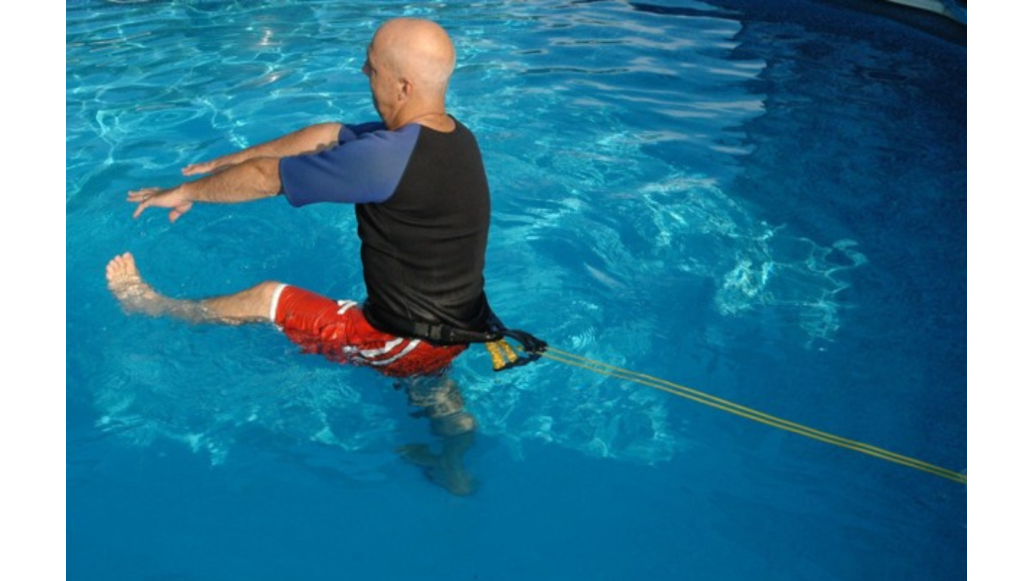
Aquatic training can be a fun and engaging way to train the body; current reviews suggest that aquatic programs can improve selected balance and functional outcomes in older adults.
Urinary incontinence affects millions of people across the lifespan and is far more than an issue of comfort or convenience. For rehabilitation professionals, effective incontinence management is essential.
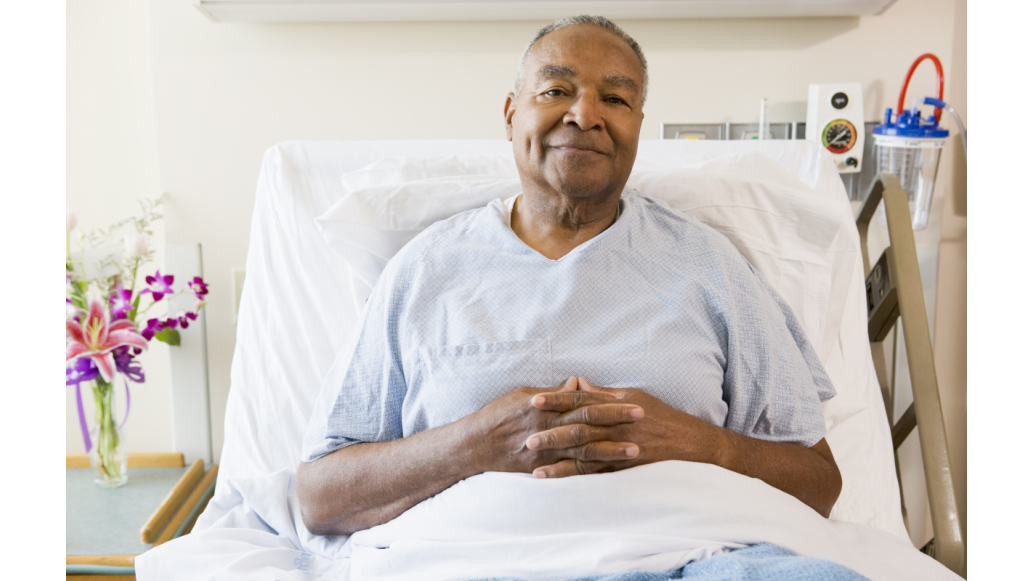
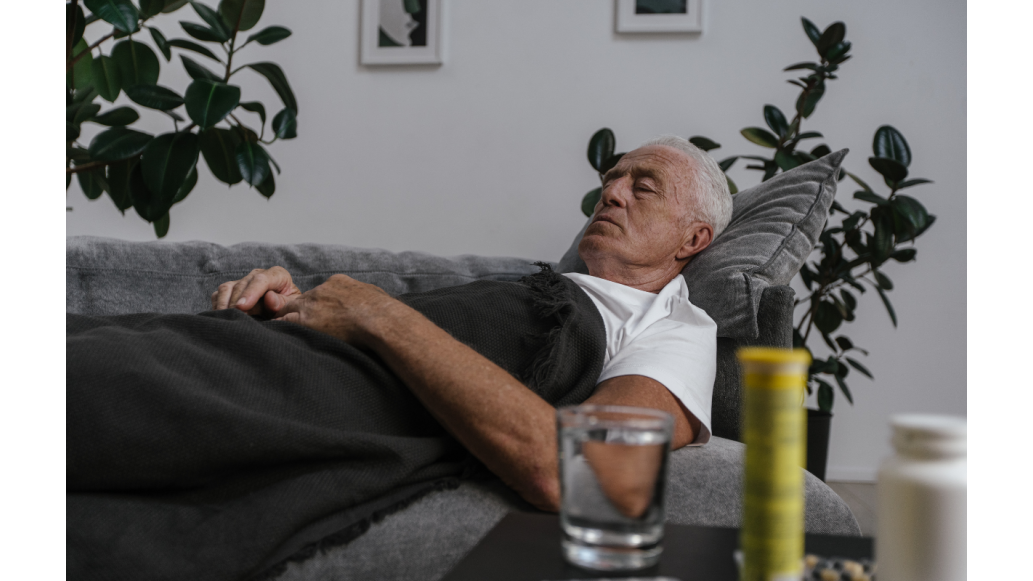
Medical professionals want to get their patients back home and resting easy almost as much as their patients want out of the hospital. A little planning and the right tools and equipment can get patients out of the hospital, back in their recliner.
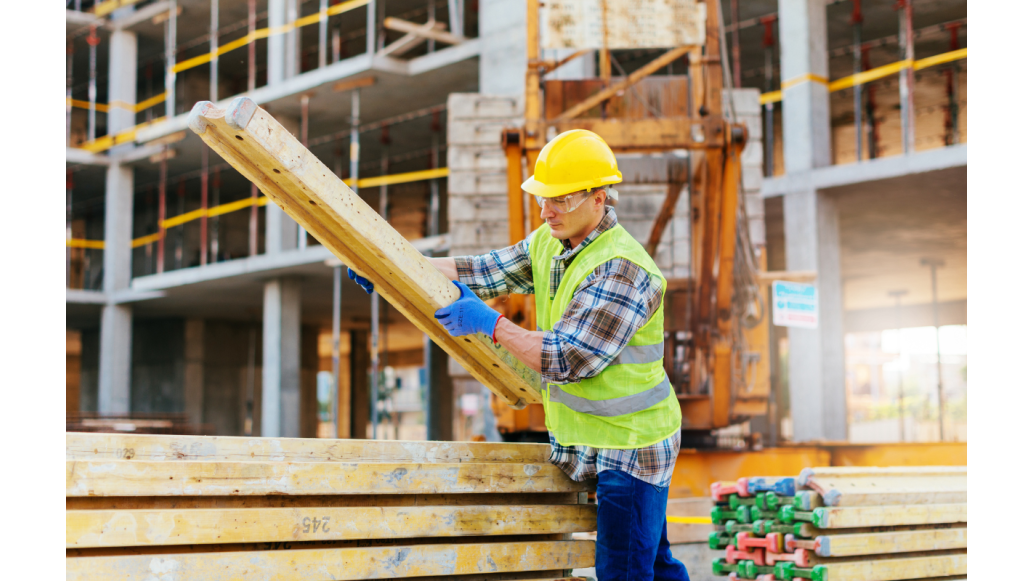
While many individuals recover with traditional rehabilitation following an injury or surgery, others require more intensive, job-specific rehabilitation before they can safely resume their work responsibilities.
For years, home health was my side hustle. I would wrap up a full day in the clinic, load the trunk, and head out for evening visits. My trunk kit got refined the way these things always do. I overpacked, then underpacked, then repacked until every item earned its spot.
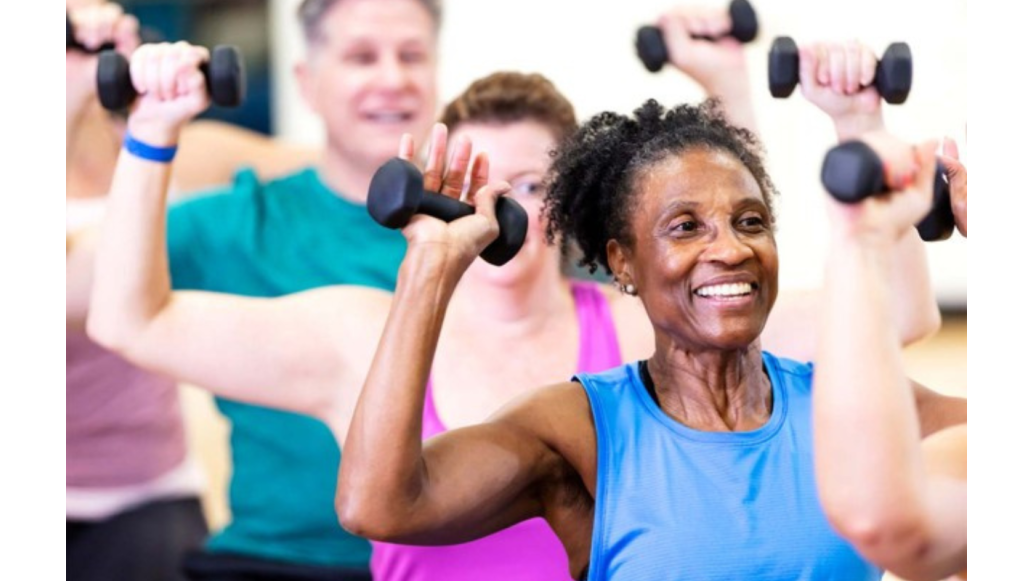
Exercise is not a cure for Alzheimer’s disease, but regular physical activity is associated with better overall brain health and helps support cognition, mobility, mood, cardiovascular health, and activities of daily living.
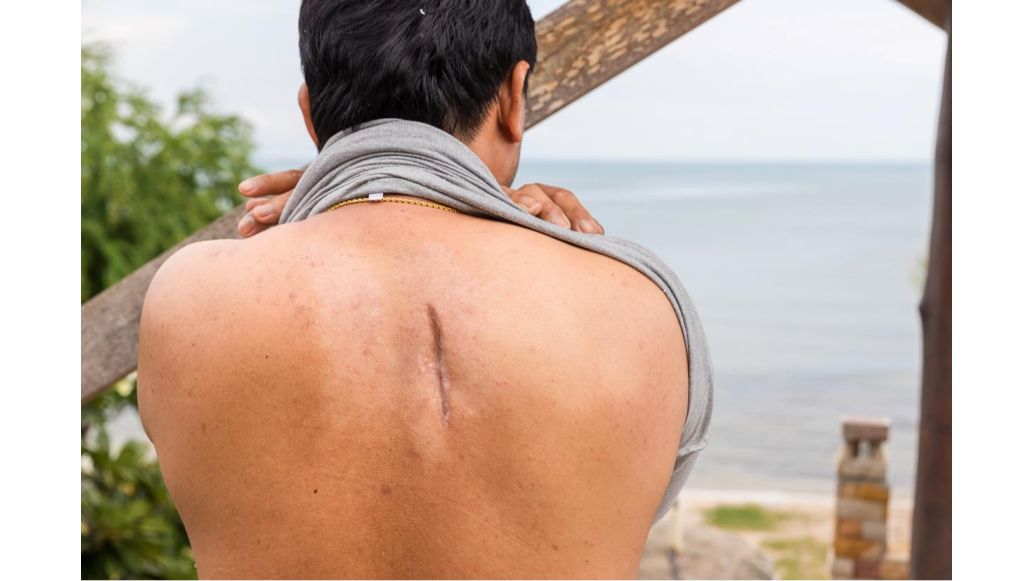
Scar tissue is created after the top layer of skin—the dermis—is damaged. The body produces collagen fibers that help repair the damaged area of the dermis. This collagen is thicker than regular skin and typically has a lighter or darker color than the surrounding skin.
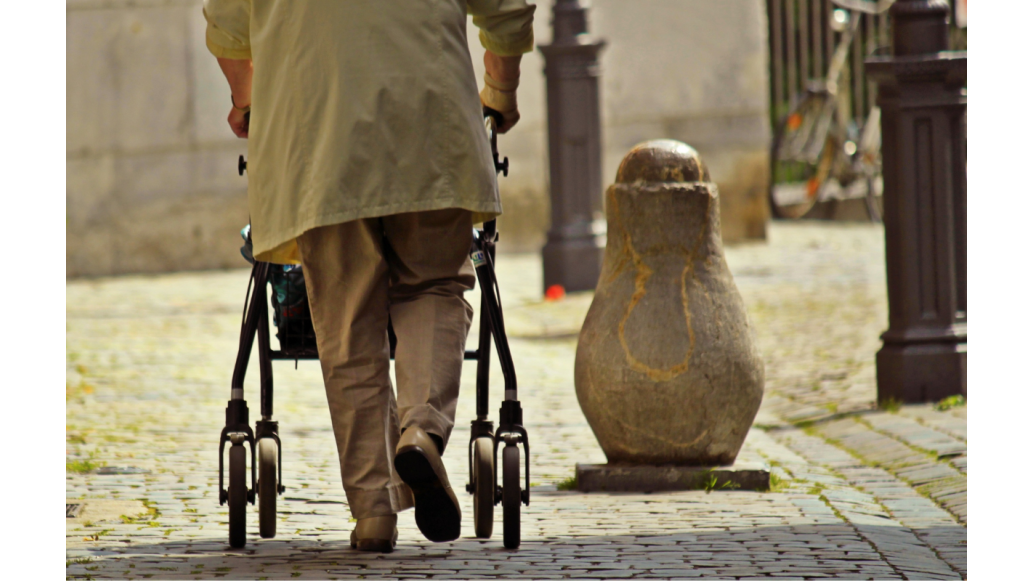
Device selection is a clinical judgment with biomechanical and behavioral consequences, yet it is routinely executed as a disposition formality in the closing minutes of a visit.
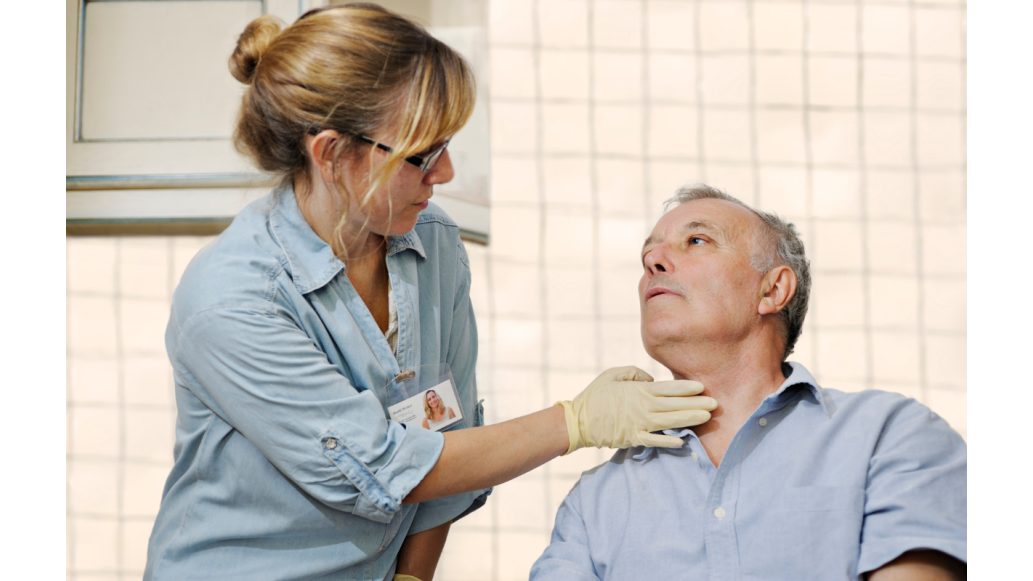
This comprehensive guide dives into clinical focuses for adult dysphagia management and highlights essential tools to elevate your cognitive-linguistic and oral-motor therapy sessions.


 US
US UK
UK France
 Australia