With every new ache and pain, we start hearing the whisper of that dirty work that creeps slowly but surely into so many ears – arthritis! Arthritis is an equal opportunity culprit, coming for both men and women with all type of backgrounds and occupations.
Mobility aids such as rollators play a vital role in supporting patients with heart conditions during orthopedic rehabilitation. These devices enhance safety and symptom management, encouraging greater participation and improved outcomes.
Creating a safer, more accessible home starts with small changes. Whether you're supporting aging in place, recovering from surgery, or living with a chronic condition, the right tools can make everyday tasks easier, safer, and more dignified.
From mobility support to medication preparation, the right products can transform the patient experience and improve caregiver workflow. Here are five essential acute care innovations from Performance Health that help healthcare professionals provide better, safer, and faster care.
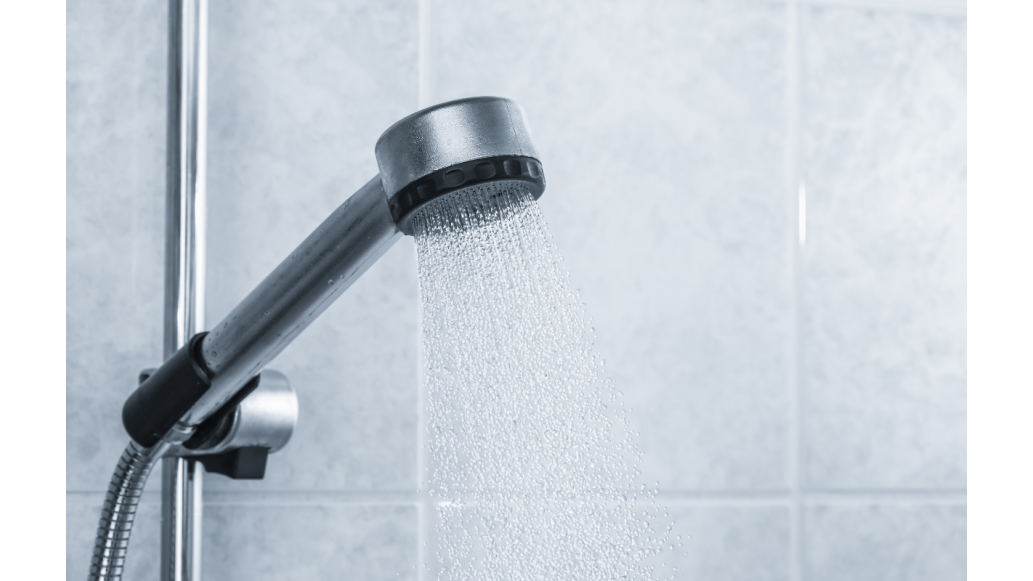
The ability to shower or bath safely and efficiently can often become extremely challenging following a surgical procedure, injury or illness. The good news is there are myriad options to make showering easier and much more accessible.
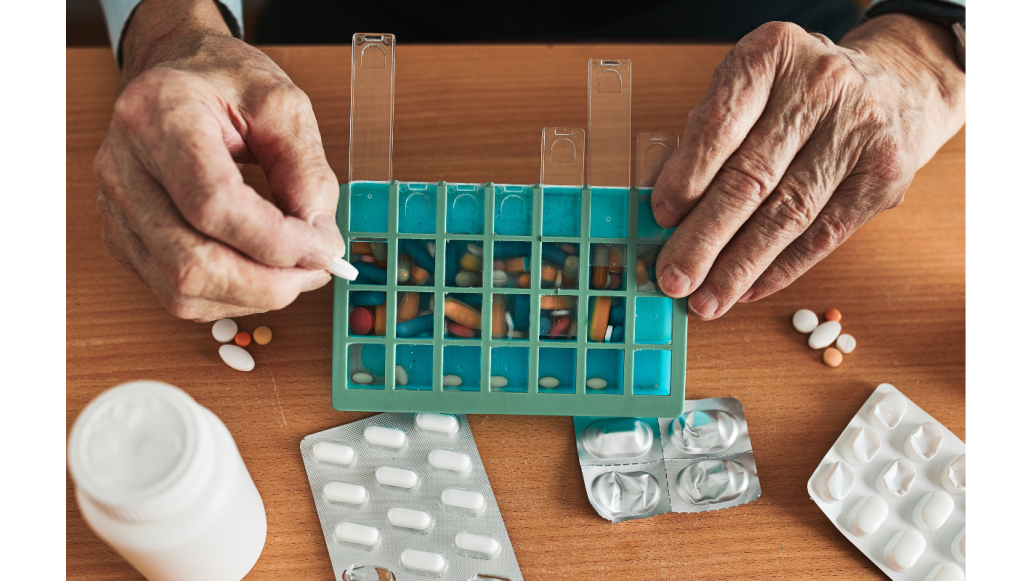
Medication management is a cornerstone of effective healthcare, ensuring patients adhere to prescribed regimens for optimal outcomes. For many, however, managing medications can pose significant challenges—especially when pills are large, difficult to swallow, or need precise splitting or crushing. This is where durable and user-friendly tools, like the pill splitter and crusher combo, play a critical role in promoting patient compliance and reducing medication-related errors.
Adaptive devices like sock aids, reachers, and elastic shoelaces enable patients to perform activities of daily living (ADLs) with greater ease, allowing them to focus on living life to the fullest. For individuals recovering from surgery or managing chronic conditions that affect physical mobility, these tools provide a sense of empowerment and control that is valuable for maintaining a positive outlook. Join us as we explore three examples of small tools that have made a big impact on our featured client, Annie.
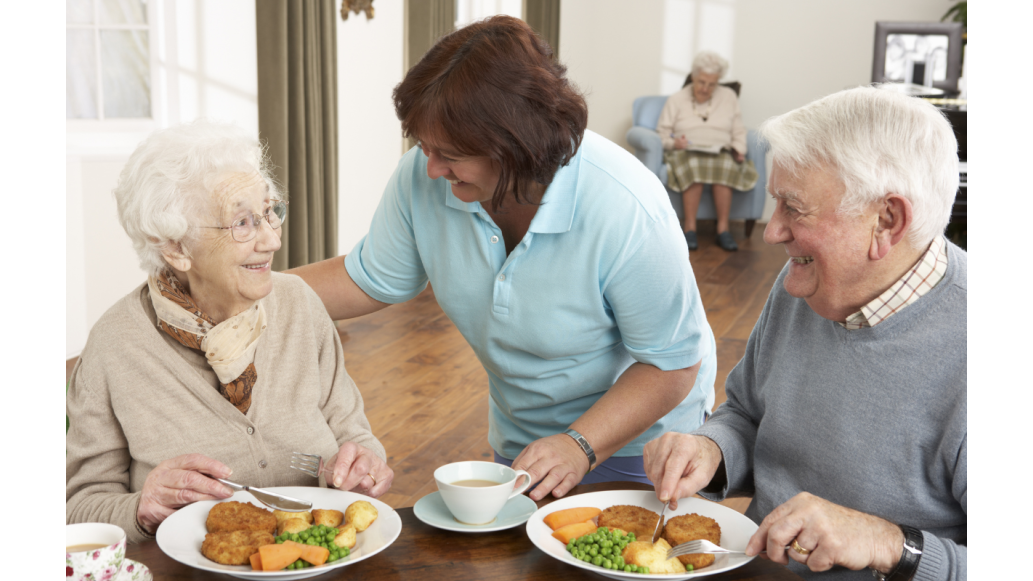
For many individuals, mealtime is more than just an opportunity to nourish the body; it is a deeply social and emotional experience. Sitting at the table, sharing a meal, and engaging in conversation fosters a sense of connection and community. However, for clients living with conditions such as Parkinson’s disease, muscular dystrophy, and other movement impairments, the act of eating can be fraught with frustration, embarrassment, and even isolation.
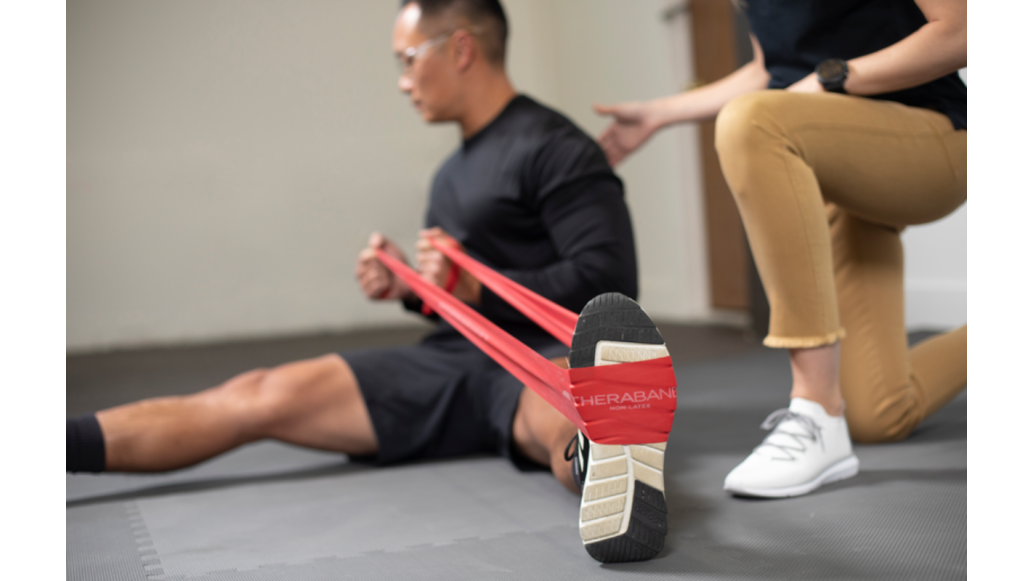
THERABAND® has always been considered the industry leader for resistance bands, and they now have the testing to prove it. After extensive third-party testing, THERABAND non-latex resistance bands have been proven to last more than five times longer than the next leading competitor, and the Trusted Progression System® has proven to have consistent pull force.




 US
US UK
UK France
 Australia