As a healthcare professional, your main goal is the safety of your patient. However, have you ever stopped and considered the implications your actions have on your own health?
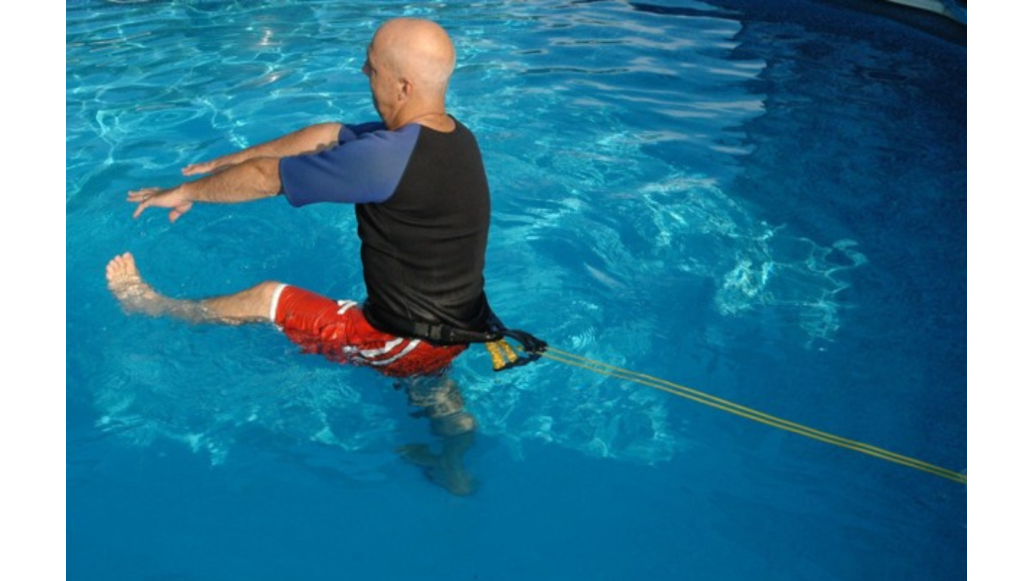
Aquatic training can be a fun and engaging way to train the body; current reviews suggest that aquatic programs can improve selected balance and functional outcomes in older adults.
Rehab practitioners want their clients to think of daily movement, exercise, meaningful activities, and the right adaptive tools as investments in the ability to live well.
Urinary incontinence affects millions of people across the lifespan and is far more than an issue of comfort or convenience. For rehabilitation professionals, effective incontinence management is essential.
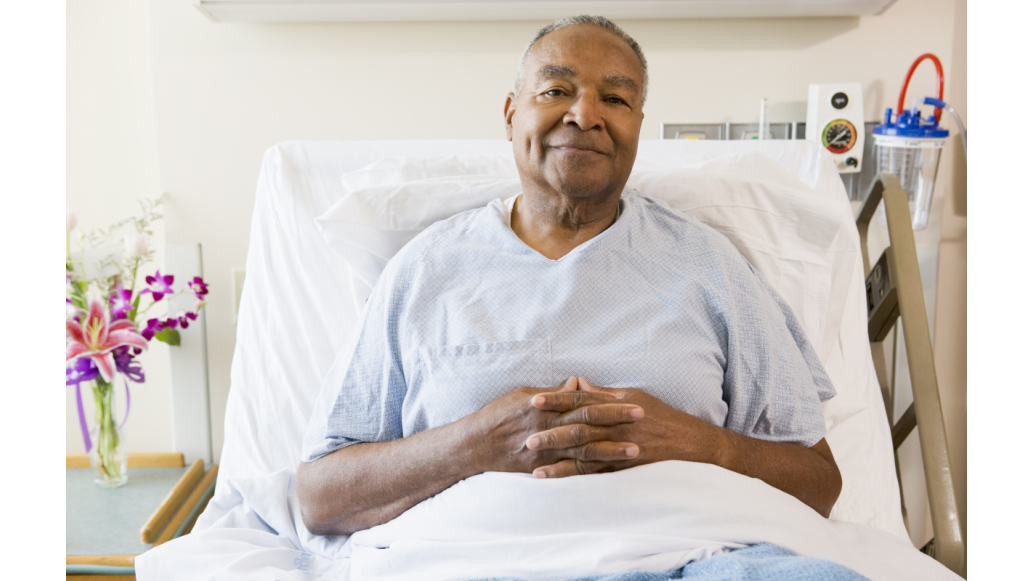
Medical professionals want to get their patients back home and resting easy almost as much as their patients want out of the hospital. A little planning and the right tools and equipment can get patients out of the hospital, back in their recliner.
With every new ache and pain, we start hearing the whisper of that dirty work that creeps slowly but surely into so many ears – arthritis! Arthritis is an equal opportunity culprit, coming for both men and women with all type of backgrounds and occupations.
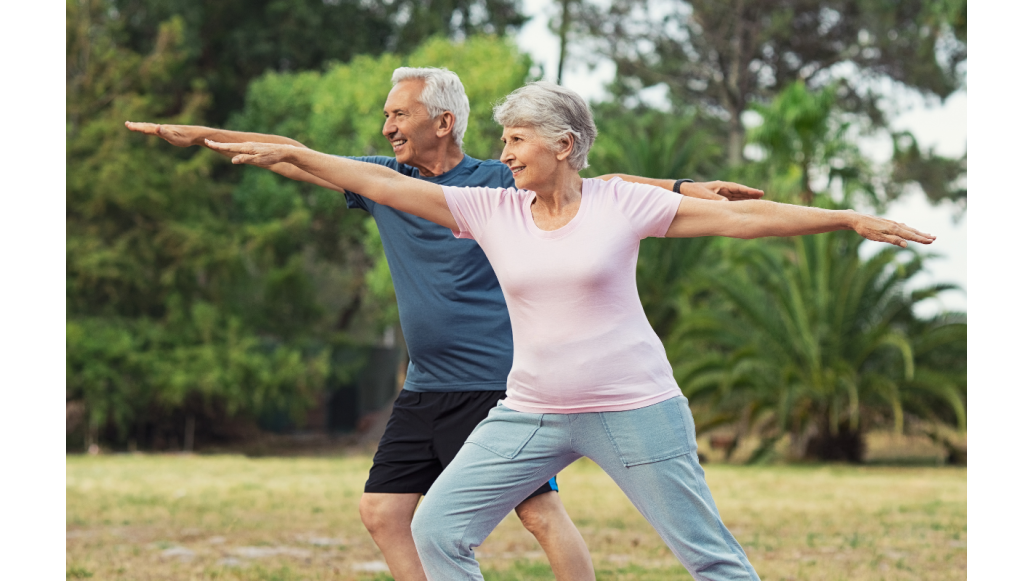
Exercise is not a cure for Alzheimer’s disease, but regular physical activity is associated with better overall brain health and helps support cognition, mobility, mood, cardiovascular health, and activities of daily living.
Device selection is a clinical judgment with biomechanical and behavioral consequences, yet it is routinely executed as a disposition formality in the closing minutes of a visit.
Feeding and dining sit among the most fundamental activities of daily living, and among the easiest to leave out of a plan of care, even when the referral points straight at the hand.



 US
US UK
UK France
 Australia