



 US
US UK
UK France
 Australia
Urinary incontinence affects millions of people across the lifespan and is far more than an issue of comfort or convenience. For rehabilitation professionals, effective incontinence management is essential to protecting skin integrity, promoting mobility, supporting participation in therapy, and preserving patient dignity. Choosing appropriate incontinence products and implementing evidence-based management strategies can significantly improve clinical outcomes while reducing complications, length of stay, and overall healthcare costs.
Key Takeaways
- Incontinence is common but often under-recognized and under-treated in rehabilitation settings.
- Excess moisture contributes to skin breakdown, incontinence-associated dermatitis, pressure injuries, infection risk, and delayed rehabilitation.
- Effective assessment and individualized management plans are critical components of patient-centered care.
- Keeping patients dry supports participation in therapy, mobility, comfort, and dignity.
- High-quality absorbent products, including moisture management pads, are valuable tools for protecting patients and improving rehabilitation outcomes.
Table of Contents
Why Incontinence Matters in Rehabilitation
The International Continence Society defines urinary incontinence as any involuntary leakage of urine2. Although straightforward in definition, the condition remains significantly underreported and underrecognized, largely because of social stigma and the widespread misconception that it is simply a normal part of aging.
The reality is quite different. Studies estimate that approximately 30% of women experience urinary incontinence, although reported prevalence ranges widely1,2. Among adults over age 65, urinary incontinence affects approximately 30% to 40% of both women and men, with prevalence increasing to as high as 60% to 70% among individuals living in long-term care facilities2.
For rehabilitation practitioners, these numbers translate into a substantial portion of the patient population. Individuals recovering from orthopedic injuries, stroke, neurological conditions, spinal cord injury, pelvic floor dysfunction, childbirth, or prolonged hospitalization frequently present with bladder dysfunction that can directly influence rehabilitation progress.
Despite its prevalence, incontinence is often viewed merely as a symptom rather than a condition requiring comprehensive assessment and intervention. This perspective can delay appropriate management and contribute to avoidable complications that negatively affect both patient outcomes and healthcare utilization.
The Hidden Impact of Moisture on Recovery
Perhaps the greatest clinical concern associated with incontinence is prolonged exposure to moisture. Patients who remain seated or lying in wet clothing or wet bedding are at significantly greater risk for skin breakdown. Constant moisture weakens the skin's protective barrier, increasing susceptibility to incontinence-associated dermatitis, pressure injuries, fungal infections, and bacterial colonization2.
Once skin damage develops, rehabilitation becomes considerably more difficult. Pain associated with skin injury may reduce participation during therapy sessions. Mobility declines as patients become reluctant or unable to transfer, walk, or exercise comfortably. Functional progress slows, increasing the likelihood of longer hospitalizations, decreased independence, and delayed return to previous activities.
Research demonstrates the significant healthcare impact of these complications2,3. Compared with continent patients, individuals with incontinence experience longer hospital stays, higher 30-day readmission rates, increased incidence of pressure injuries, and substantially higher healthcare costs2. Hospitalized incontinent patients average approximately two additional days in the hospital and are significantly more likely to develop pressure injuries involving the coccyx during admission2. These complications not only affect patient health but also increase the financial burden on healthcare systems.
Keeping patients dry is therefore not simply a comfort measure—it is an essential component of quality rehabilitation care.
Assessment Is the Foundation of Effective Care
Successful incontinence management begins with thorough clinical assessment. Rehabilitation practitioners can work with nursing staff to identify the underlying cause of urinary incontinence whenever possible rather than simply managing leakage after it occurs. Evaluation can include bladder habits, medications, mobility limitations, cognition, environmental barriers, functional transfers, toileting ability, skin integrity, fluid intake, and medical history.
Many causes of incontinence are partially or fully reversible. Conservative interventions may include:
- Bladder training
- Pelvic floor rehabilitation
- Scheduled voiding
- Dietary modifications
- Fluid management
- Environmental adaptations
- Education regarding healthy bladder habits
Occupational and physical therapy practitioners play important roles in restoring functional independence. Improving transfer ability, balance, gait, endurance, upper extremity function, and toileting performance often enables patients to reach the bathroom safely and independently, reducing episodes of incontinence.
Particularly for postpartum patients, individualized rehabilitation and patient education have been shown to improve adherence to treatment and optimize outcomes1,2. Tailored exercise programs, pelvic floor training, and education empower patients while addressing their unique functional goals.
Supporting Rehabilitation Through Moisture Management
Even with comprehensive rehabilitation, many patients continue to experience episodes of urinary leakage during recovery. Appropriate moisture management products help bridge this gap while protecting skin and preserving participation in rehabilitation.
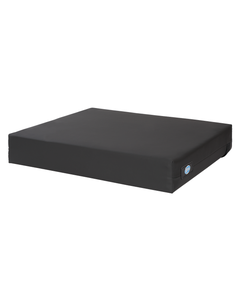
Absorbent bed and chair protection products reduce prolonged moisture exposure while helping maintain a cleaner, more comfortable treatment environment. They also simplify transfers, reduce linen changes, and allow rehabilitation sessions to proceed with fewer interruptions.
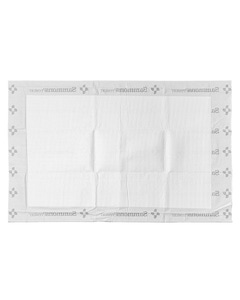
One valuable solution is the Sammons Preston dry pads, designed to protect bedding and seating surfaces by absorbing moisture while helping keep patients dry and comfortable. These reusable moisture-management pads provide dependable protection in hospitals, rehabilitation facilities, skilled nursing environments, and home care settings.
For rehabilitation professionals, products like dry pads support more than cleanliness—they help maintain skin integrity, reduce unnecessary discomfort, and enable patients to focus on participating in therapy rather than worrying about accidents.
Choosing the Right Products for Patient Care
Selecting appropriate incontinence products should never follow a one-size-fits-all approach. Appropriate products allow patients to remain engaged in therapy while preserving dignity and minimizing disruption to daily routines. Effective product selection depends on several clinical considerations, including:
- Severity and frequency of incontinence
- Patient mobility and transfer ability
- Skin integrity and pressure injury risk
- Cognitive status
- Rehabilitation goals
- Care setting
- Caregiver assistance available
Healthcare professionals should also recognize that inappropriate product selection may contribute to skin injury, reduced independence, unnecessary costs, and lower patient satisfaction. Evidence-based protocols for incontinence assessment and product selection have been shown to improve outcomes while reducing complications associated with unmanaged moisture.
Restoring Dignity While Improving Outcomes
Beyond the physical consequences, urinary incontinence has profound psychosocial effects. Many patients avoid discussing bladder concerns because of embarrassment or fear of being perceived as burdensome. Research has demonstrated that some hospitalized older adults choose to remain in absorbent briefs rather than request assistance with toileting, despite being fully capable of using the restroom with help2. These experiences can contribute to social isolation, reduced confidence, anxiety, depression, and decreased participation in rehabilitation.
As rehabilitation professionals, addressing incontinence means addressing the whole person. Every patient deserves care that promotes dignity, comfort, independence, and participation in meaningful daily activities. Keeping patients dry is one important part of that commitment.
Thoughtful assessment, individualized rehabilitation interventions, patient education, and appropriate moisture management products work together to protect skin integrity, reduce complications, improve therapy participation, and enhance quality of life. Incontinence management is not simply about preventing accidents—it is about creating the best possible environment for healing, functional recovery, and successful rehabilitation.
Recommended Products


References
- Al-Ahmadi, F. Q., Awaji, N. A. M., Alsherhri, H. A., Almotairi, S. A., Alharbi, A. M. F., Asiri, A. A. M., & Mahbubah, S. M. R. (2024). Urinary incontinence diagnosis and management and its impact in woman’s health quality of life. Journal of International Crisis and Risk Communication Research, 7(86), 1401-1407.
- Jelen, A., Kaucic, B. M., Rajnar, R., & Sestan, N. (2024). Prevalence of incontinence and use of incontinence devices in acute hospital settings: A cross-sectional study. Journal of Universal Excellence, 13(3), 191-210.
- Poloni, B., & Rowell, S. (2025). Exploring physiotherapy management for urinary incontinence in postpartum women: A scoping review. Physiotherapy, 126(supp. 1), 101548.
Medical Disclaimer: The information provided on this site, including text, graphics, images, and other material are for informational purposes only and are not intended to substitute for professional medical advice, diagnosis, or treatment. Always seek the advice of your physician or other healthcare professional with any questions or concerns you may have regarding your condition.