



 US
US UK
UK France
 Australia
Every day, workers experience injuries that interrupt not only their health but also their ability to earn a living. While many individuals recover with traditional rehabilitation following an injury or surgery, others require more intensive, job-specific rehabilitation before they can safely resume their work responsibilities. Work conditioning and work hardening programs bridge that gap by combining evidence-based rehabilitation with simulated job tasks, helping injured workers rebuild strength, confidence, and function while supporting safe, timely return-to-work outcomes.
Key Takeaways
- Millions of workplace injuries occur each year, making effective rehabilitation essential for both workers and employers.
- Work conditioning and work hardening programs provide structured, job-specific rehabilitation that prepares individuals to safely return to work.
- Occupational therapy and physical therapy practitioners use evidence-based interventions and simulated work activities to restore work capacity and confidence.
- Specialized rehabilitation equipment enhances functional training by replicating real workplace demands and tasks.
- Investing in quality work conditioning equipment benefits rehabilitation providers, clients, and workers' compensation programs alike.
Table of Contents
- Why Return-to-Work Rehabilitation Matters
- When Traditional Rehabilitation Isn't Enough
- Work Conditioning vs. Work Hardening: What's the Difference?
- Simulating the Workplace Through Functional Rehabilitation
- Essential Equipment for Work Conditioning and Work Hardening Programs
- Better Outcomes for Patients and Employers
Why Return-to-Work Rehabilitation Matters
Millions of workers sustain occupational injuries every year, ranging from sprains and strains to fractures, repetitive stress injuries, and post-surgical recovery. These injuries affect not only physical health but also productivity, financial stability, and perceived quality of life.
Returning an injured employee to work too soon can increase the risk of reinjury, while prolonged absence from work often leads to deconditioning, reduced confidence, and increased workers' compensation costs. The goal of work rehabilitation is not simply healing an injury—it is restoring the ability to safely perform the physical demands of the specific job.
Skilled rehabilitation practitioners play a vital role in helping individuals regain work status and functional capacity through progressive, evidence-based interventions that prepare them for successful return to work.
When Traditional Rehabilitation Isn't Enough
For many injured workers, acute physical or occupational therapy following injury or surgery is sufficient to restore mobility, decrease pain, and improve function. However, some individuals continue to face challenges when preparing to return to physically demanding occupations.
Different jobs will require different skill sets and physical demands. For example, a warehouse employee may need to repeatedly lift 50-pound boxes. A healthcare worker may need to safely transfer patients throughout an eight-hour shift. A construction worker may need to climb stairs while carrying equipment or pushing heavy materials across a job site. These physical job-specific demands often exceed what is addressed during routine outpatient rehabilitation.
Work conditioning and work hardening programs provide the additional intensity, duration, and task-specific practice necessary to rebuild both physical capacity and confidence before returning to work. These programs are specifically designed to improve work status and function while reducing the likelihood of reinjury and unnecessary workers' compensation expenditures.
Work Conditioning vs. Work Hardening: What's the Difference?
Although often discussed together in the literature, work conditioning and work hardening serve slightly different purposes.
Work conditioning is a structured, supervised rehabilitation program that emphasizes restoring physical abilities such as flexibility, strength, endurance, coordination, balance, and cardiovascular capacity. Programs typically include work simulation activities tailored to the individual's specific occupation and are commonly delivered for two to four hours per session, three to five days per week. Participants progressively build the physical capacity required to meet job demands in a safe environment, supervised by the occupational or physical therapy practitioner.
Work hardening builds upon work conditioning by incorporating a multidisciplinary approach. In addition to physical rehabilitation, work hardening may include ergonomic assessment, psychological support, vocational coaching, transitional work planning, and workplace modifications. The objective is not only to restore physical function but also to prepare the individual for every aspect of returning to productive employment.
Both programs are highly individualized and focus on achieving safe, sustainable return-to-work outcomes.
Simulating the Workplace Through Functional Rehabilitation
One of the defining characteristics of successful work conditioning or work hardening programs is the emphasis on functional, work-specific activities. Rather than exercising solely to increase strength or endurance, clients practice movements that closely resemble their actual job responsibilities. These may include lifting, carrying, pushing, pulling, climbing, reaching, squatting, kneeling, loading shelves, or repetitive material handling.
Research has shown that work-oriented rehabilitation programs improve work abilities by combining strengthening exercises, conditioning, and realistic job simulation in supervised environments that safely prepare workers for the physical demands of employment.
Essential Equipment for Work Conditioning and Work Hardening Programs
Because these rehabilitation programs are built around real-world job performance, specialized equipment plays a central role in successful outcomes.
Work Conditioning Stairs
Many occupations require employees to repeatedly navigate stairs while carrying equipment or materials. Dedicated work conditioning stair systems allow practitioners to safely progress stair climbing, balance, endurance, and load-carrying activities that replicate workplace demands, including dynamic activities such as carrying items while climbing or descending the stairs.
Work Conditioning Kits
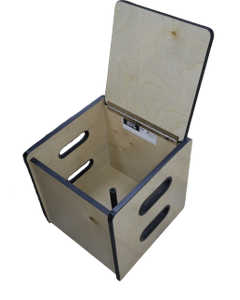
Complete work conditioning kits provide rehabilitation facilities with versatile tools for developing individualized programs that facilitate and challenge lifting, carrying, pushing, pulling, reaching, strengthening, and endurance while supporting objective functional progression. The ability to grade activities easily and swiftly with products such as the work conditioning kit allows practitioners to challenge the worker while also promoting progress in rehabilitation.
Lift & Place Rack Stations
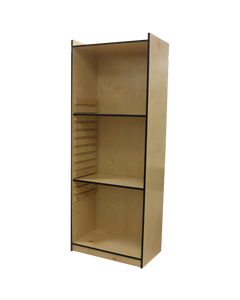
The Lift & Place Rack Station simulates lifting and loading activities commonly performed in numerous locations including warehouses, manufacturing, healthcare, and industrial settings. Adjustable shelf heights enable practitioners to replicate workplace tasks while progressively increasing lifting demands in a controlled environment.
Weight Sleds
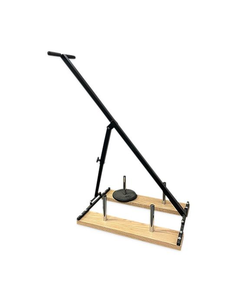
The Pivotal Health Weight Sled allows practitioners to simulate pushing, pulling, and dragging tasks frequently encountered across numerous occupations. Adjustable resistance enables progressive strengthening while closely matching the functional requirements of individual job roles.
Together, these tools create realistic rehabilitation environments where injured workers can safely rebuild the physical capacity necessary to return to productive employment.

Better Outcomes for Patients, Employers, and Workers' Compensation
Effective return-to-work programs benefit everyone involved.
Workers regain independence, confidence, and the physical ability to resume meaningful employment. Employers experience reduced lost work time, improved productivity, and lower costs associated with prolonged disability. Workers' compensation systems benefit from decreased claim duration, reduced risk of reinjury, and more efficient utilization of healthcare resources.
For rehabilitation providers, having access to high-quality work conditioning equipment enhances the ability to deliver objective, evidence-based care that accurately reflects the physical demands of today's workplaces.
As occupational demands continue to evolve, rehabilitation programs must evolve alongside them. Investing in specialized work conditioning and work hardening equipment allows rehabilitation clinics to deliver comprehensive return-to-work services that prepare injured workers not only to return to their jobs—but to do so safely, confidently, and successfully.
References
- Auch, M., Furgason, P. S., Myers, L., Denninger, T., Melby, K., et al. (2025). Effectiveness of a work conditioning-work hardening program on patients receiving hand therapy. Journal of Hand Therapy, 38(3).
- Cole, K., Kruger, M., Bates, D., Steil, G., & Zbreski, M. (2009). Physical demand levels in individuals completing a sports performance-based work conditioning/hardening program after lumbar fusion. The Spine Journal, 9(1), 39-46.
- Phanse, V. A., & Donde, M. (2020). Early work conditioning work hardening (WCWH) to successfully return workers compensation patients to work. International Journal of Science and Research, 10(10), 1637-9.
- Schaafsma, F. G., Whelan, K., van der Beek, A. J., van der Es-Lambeek, L. C., Olajarvi, A., & Verbeek, J. H. (2013). Physical conditioning as part of a return to work strategy to reduce sickness absence for workers with back pain. Cochrane Database of Systematic Reviews, August 30 2013. Wiley.
- Williams, A. A., Marc, J. (2024). Traumatic workplace injuries: A cross-sectional analysis of OSHA severe injury reports, including the impacts of seasonality and COVID-19 from 2015-2022. Journal of Safety Research, 91, 38-49.
Medical Disclaimer: The information provided on this site, including text, graphics, images, and other material are for informational purposes only and are not intended to substitute for professional medical advice, diagnosis, or treatment. Always seek the advice of your physician or other healthcare professional with any questions or concerns you may have regarding your condition.